Moderated by Zehra Zehra
Maori Karmael Holmes | Sama Alshaibi | Lali Khalid
Thursday, October 29, 2026 | 6:00–8:00 PM
Public Trust, 4017 Walnut St, Philadelphia, PA 19104
"What we remember collectively is shaped by whose stories we choose to see, hold, and carry forward." - Zehra Zehra
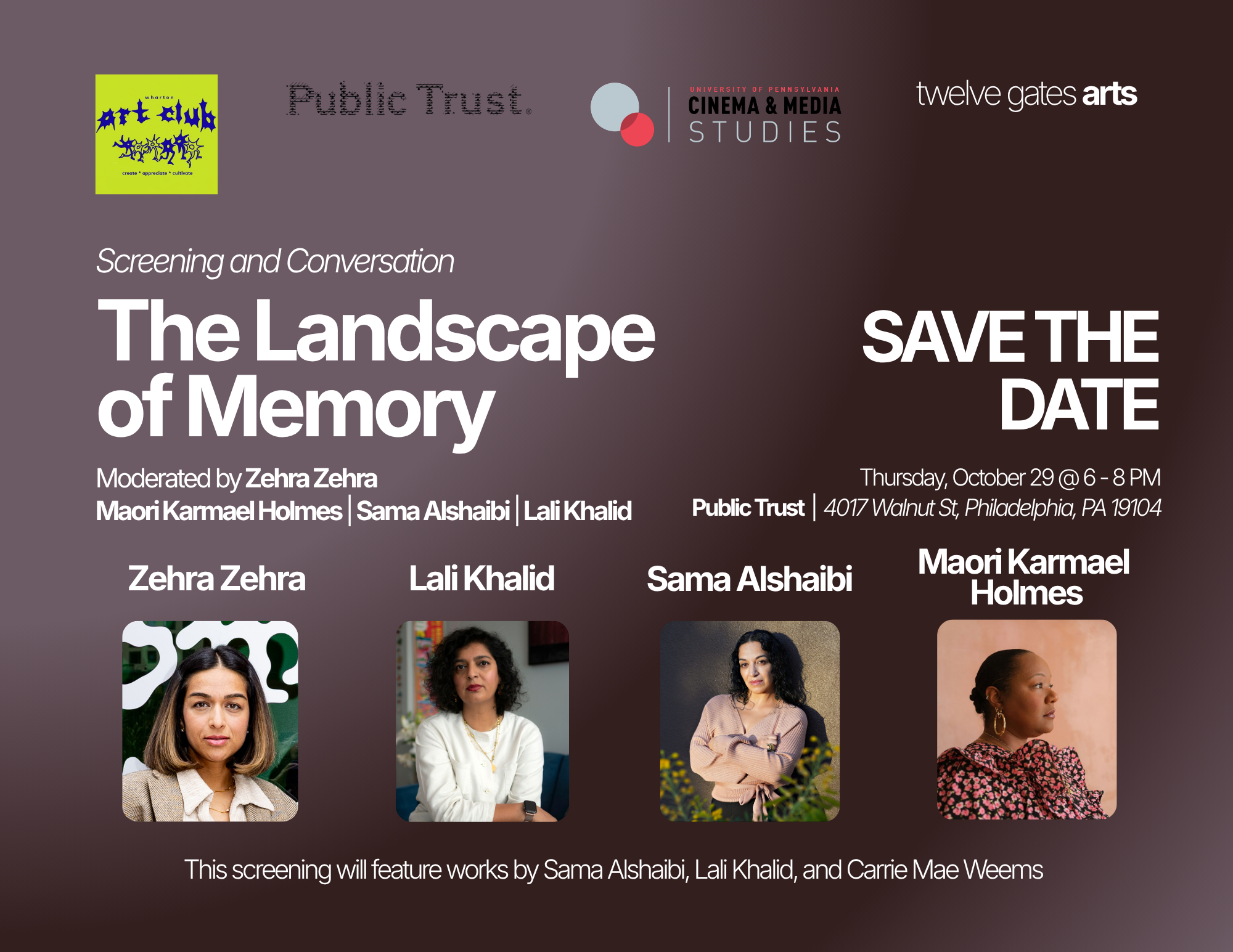
Join us at Public Trust for The Landscape of Memory, a screening and conversation exploring how images hold and transmit personal and collective memory across shifting relationships to place, history and home. The program brings Maori Karmael Holmes, Lali Khalid, and Sama Alshaibi into conversation, moderated by Zehra Zehra, alongside works by Carrie Mae Weems, Khalid and Alshaibi. Moving between film, photography, artistic practice and cultural stewardship, the program asks what images preserve, what they leave behind and who ultimately shapes what enters our collective memory.
This program is in partnership with Twelve Gates Arts for their exhibition Extended Constellations, opening October 30, 2026.
About the Program
The Landscape of Memory considers the image as a place where personal experience and collective history meet. Bringing together the perspectives of filmmaker and curator Maori Karmael Holmes and artists Lali Khalid and Sama Alshaibi, the program explores memory, migration, landscape, and the politics of looking through film, photography, and conversation. The discussion is accompanied by a screening of Carrie Mae Weems' A Woman in Winter and Sama Alshaibi's Iihyaa' – إحياء (Revival), alongside images from Lali Khalid's Letters to Azan.
Carrie Mae Weems' A Woman in Winter provides a conceptual point of departure for the conversation. In the work, history is not simply something left behind: past, present, and future appear to coexist as a woman moves through memory in order to arrive at the present. This relationship between memory and time resonates across the practices of Alshaibi and Khalid. Alshaibi engages the body in relation to contested landscapes, migration, displacement and inherited histories, while Khalid approaches memory through the more intimate terrain of home, family, distance and the experience of living between places. Across these works, landscape is understood not simply as physical geography but as a repository for histories that can be carried, transformed, contested or lost.
Holmes' work as a filmmaker, curator and founder of BlackStar expands these questions from the personal and geographic to the collective and institutional. Her participation introduces the question of how cultural memory is formed: who is given the opportunity to make images, where those images circulate and which stories are preserved and allowed to enter the historical record. In bringing these perspectives together, The Landscape of Memory moves beyond a generalized conversation about identity or diaspora to consider the role images themselves play in constructing memory across generations and geographies.
The program asks: Where does memory live when it is no longer possible to return to the place where it was made? Who enters collective memory, and who disappears from it? What responsibility do artists, curators and cultural institutions have in determining what survives? Moving between personal memory, geographic and historical memory, and collective cultural memory, the conversation ultimately turns toward the future: What do we want remembered from this moment?
Featured Work
Carrie Mae Weems, A Woman in Winter (2008)
Sama Alshaibi, Iihyaa' – إحياء (Revival)
Images from Lali Khalid, Letters to Azan
Speakers
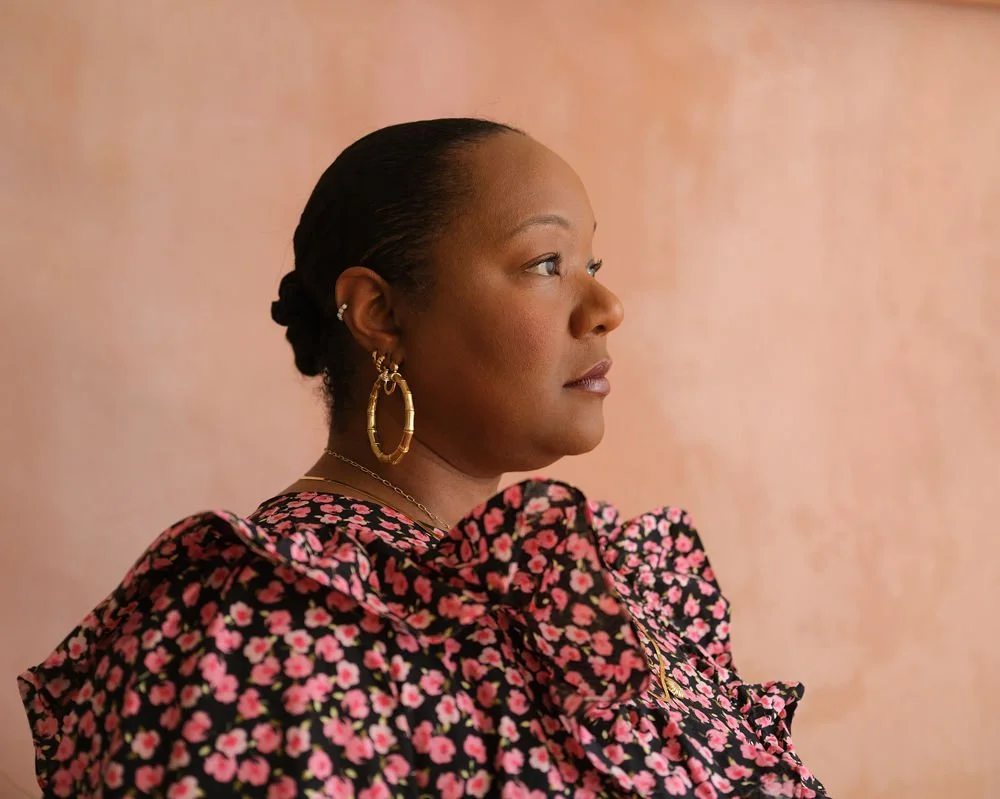
Maori Karmael Holmes
Maori Karmael Holmes is a filmmaker, curator and cultural worker.
She founded BlackStar Film Festival and serves as Chief Executive & Artistic Officer of BlackStar Projects. She has organized film programs at Anthology Film Archives, Barnes Foundation, MOCA, and Whitney Museum, and has organized the exhibitions Freedom Dreams (2026), Rashid Zakat: Uses of the Ironic (2024), Terence Nance: Swarm (2023), among others. As a director, her works have screened internationally including Scene Not Heard: Women in Philadelphia Hip-Hop (2006). She has directed music videos for India.Arie, Mike Africa, Jr., and Wayna. She has produced several films including Iyabo Kwayana's By Water (2023). Maori received her MFA in Film & Media Arts from Temple University and her BA in History from American University. She also received formative training at Howard University and CalArts. She is a founding member of Lalibela Baltimore. Maori was named a Kennedy Center Next50 Fellow, a 2023 United States Artists Berresford Prize recipient, and a 2022 Philadelphia's Cultural Treasures Fellow. She was Mediamaker-in-Residence at the Annenberg School for Communication at University of Pennsylvania from 2020–2023, a 2019–2020 Soros Equality Fellow, a 2021 DOC NYC New Leader, a 2016 Just Films/Rockwood Fellow, and a 2014 Flaherty Film Fellow.
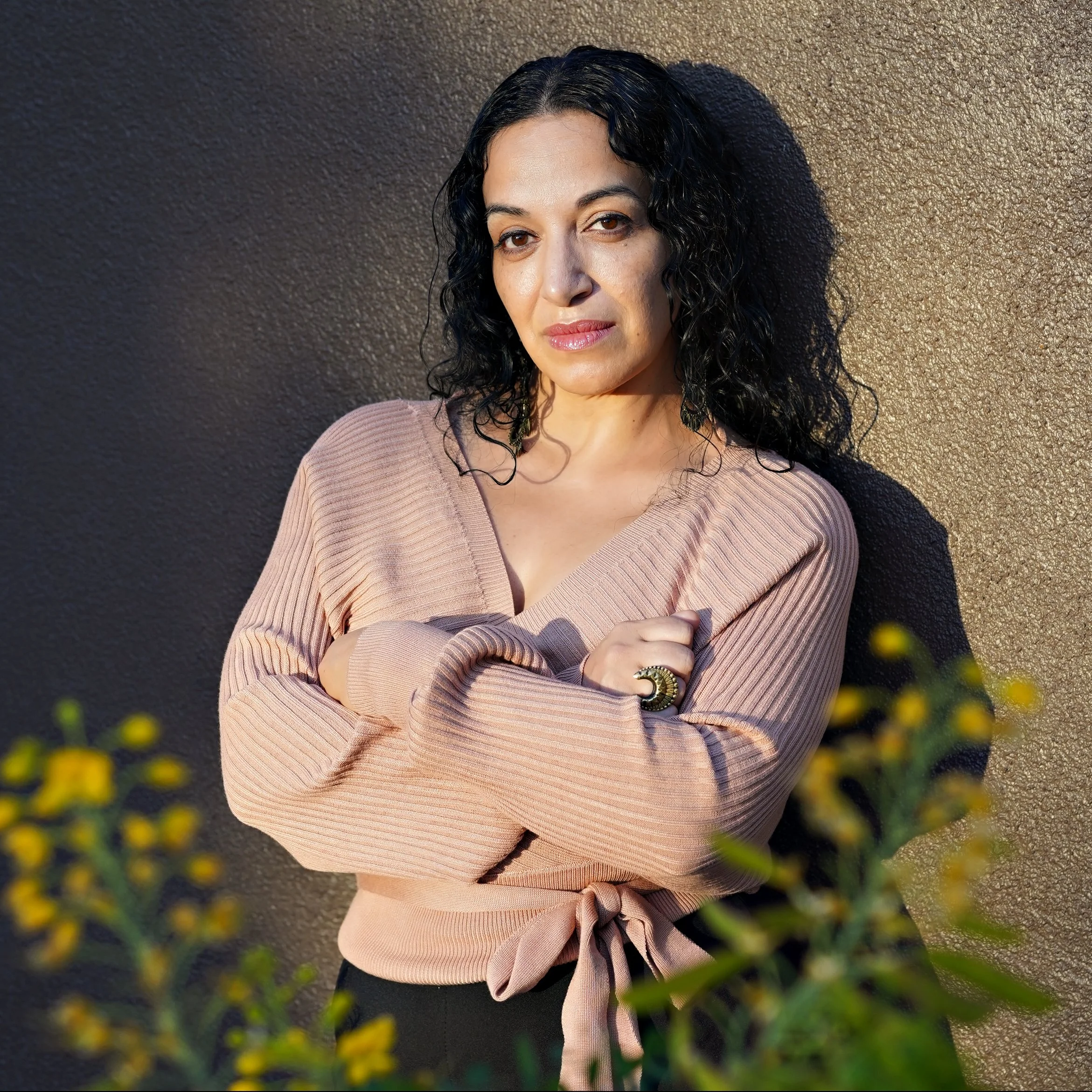
Sama Alshaibi
Sama Alshaibi's image-based practice emerges from the aftermath,
where fragmentation and dispossession become conditions of political conflict and forced migration. Working across photography, video, installation, and archival material, she often uses her own body as a site carrying material and social conditions. Across her projects, land, water, and infrastructure register the convergence of colonial legacies, oil economies, and hydro-conflict. Speculative gestures open thresholds between the visible world and realms beyond ordinary perception, imagining alternative orders of disruption and survival.
Alshaibi's work has been exhibited internationally at the Museum of Modern Art, New York; the 55th Venice Biennale; the 13th Cairo International Biennale; Crystal Bridges Museum of American Art; Maraya Art Centre; and the Royal Ontario Museum. Born in Iraq to a Palestinian mother and Iraqi father, she is Regents Professor of Art at the University of Arizona.
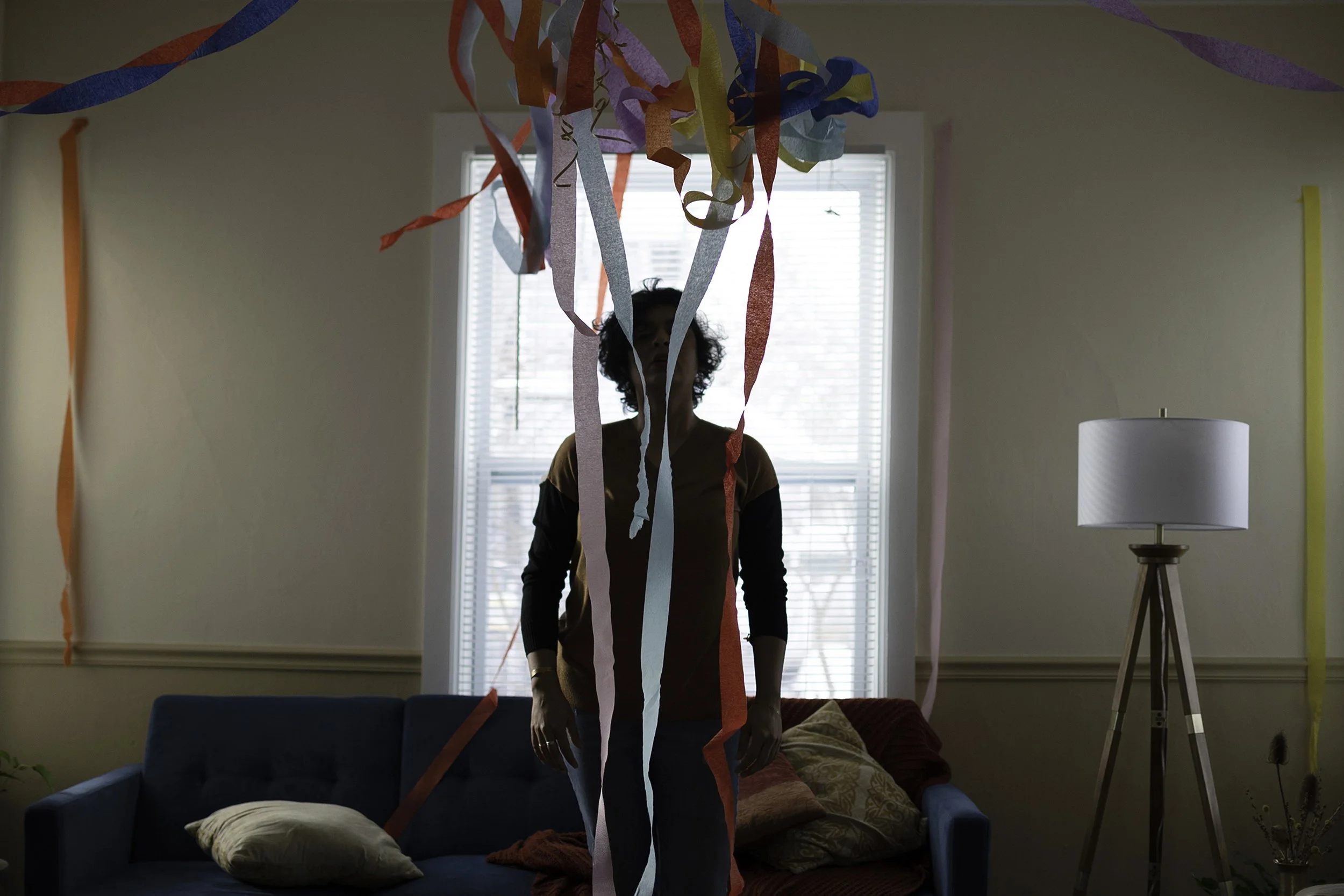
Lali Khalid
Mehreen (Lali) Khalid is a visual artist who explores the interstices between diaspora,
displacement, identity, memory, and migration through her interdisciplinary practice. Working across photography, video, and text, Khalid engages with the nuanced dynamics of belonging, family, loss, and the quiet rituals of home. Her work often occupies the space between the public and private. Informed by personal experience, Khalid creates bodies of work that reflect on love and resilience.
Lali Khalid's work has been featured in numerous solo and group exhibitions internationally. She was recently recognized as a Distinguished Fellow for the Penland School of Craft's 2026 Winter Residency, and Khalid received the 2025–2026 Diane Dammeyer Fellowship in Photographic Arts and Social Issues from the Museum of Contemporary Photography in Chicago. Her first monograph, Home. In my heart, beating far away, was published in 2021 by Artvoices Books, and Khalid's latest book, Letters to Azan, was released in June 2026 by Workshop Arts. Born in Lahore, Pakistan, Khalid was awarded a Fulbright Scholarship in 2007 and she obtained her MFA in Photography from Pratt Institute. Khalid holds a BFA in Printmaking from the National College of Arts in Lahore. She is currently serving as a Visiting Artist in Photography at the School of the Art Institute of Chicago and resides and works in Chicago, Illinois.
Moderator
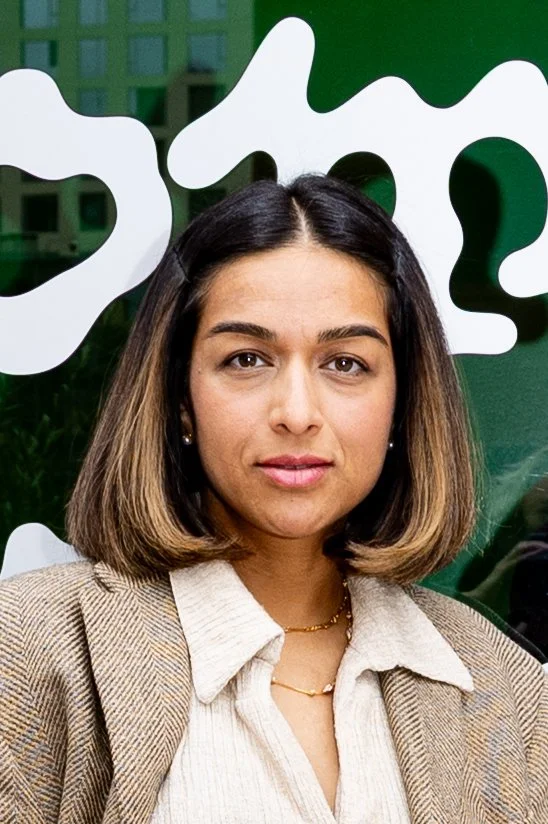
Zehra Zehra
Zehra Zehra is a curator, strategist, producer, leader, and founder of Womxn in Windows (WxW).
Zehra builds and develops strategic partnerships between artists, concepts and institutions. Driven by a belief in the power of radical collaboration, she is committed to challenging dominant narratives and expanding how we see ourselves and each other. She has worked with institutions including MOCA, Academy Museum, Hauser & Wirth, Times Square Arts and many others across the United States and internationally.
Featured artist
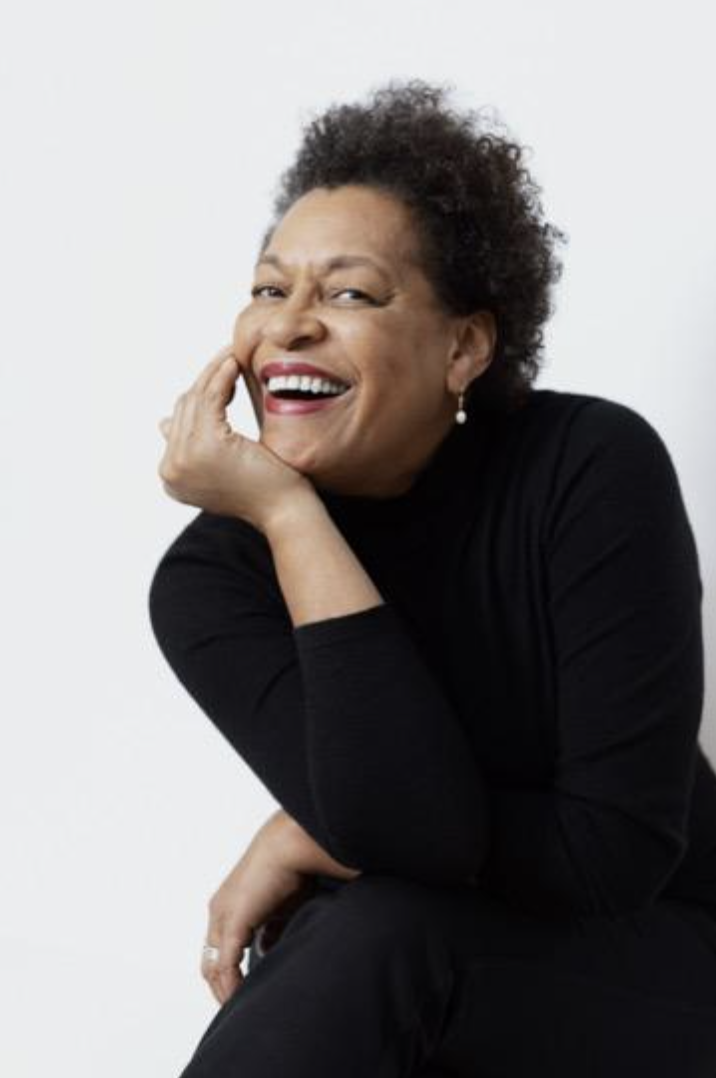
Carrie Mae Weems
Carrie Mae Weems, a conceptual artist, unpacks and confronts constructions of race and femininity in the pursuit of new models to live by.
Grounded in the specificity of her lived experience as a Black woman but universal in its explorations of family relationships, cultural identity, power structures and social hierarchy, her artistic practice is primarily photographic but also incorporates text, fabric, audio, installation, and video. Informed by narrative storytelling, folkloric traditions and the observational methodologies of the social sciences, her approach to image-making ranges from staged and serialized narrative to appropriation and adaptation of archival and ethnographic imagery. Weems takes aim at the complicity of the photographic medium in propagating dehumanizing tropes and the historical omission of Black women from fine art institutions and canons. Weems lives in Syracuse, New York with her husband Jeffrey Hoone.
In partnership with University of Pennsylvania's Asian American Studies Program, University of Pennsylvania's Cinema and Media Studies Program, and Wharton Art Club.